
Beyond Single Risks: Understanding Multi-Hazard and Climatic Loads
Publisher

Abstract
Multi-hazard and climatic loading refers to the combined impact of multiple environmental forces—such as wind, snow, earthquakes, floods, and temperature variations—on structures and infrastructure. Traditionally, engineering design has treated these loads separately, using standardized assumptions for each hazard. However, real-world events rarely occur in isolation. Climate change and increasing environmental variability are intensifying the frequency and severity of overlapping hazards, making it essential to adopt a more integrated approach to understanding and designing for these combined effects.
Multi-hazard and climatic loading refers to the combined impact of multiple environmental forces—such as wind, snow, earthquakes, floods, and temperature variations—on structures and infrastructure. Traditionally, engineering design has treated these loads separately, using standardized assumptions for each hazard. However, real-world events rarely occur in isolation. Climate change and increasing environmental variability are intensifying the frequency and severity of overlapping hazards, making it essential to adopt a more integrated approach to understanding and designing for these combined effects.
Climatic loading specifically includes environmental forces driven by weather and long-term climate patterns. These include wind pressure on buildings, snow accumulation on roofs, thermal expansion and contraction due to temperature fluctuations, and rainfall-induced loads such as flooding or soil saturation. As global temperatures rise, these factors are becoming less predictable. For instance, regions that historically experienced moderate snowfall may now face heavier snow events, while increased rainfall intensity can amplify flood risks. This variability challenges the assumptions embedded in existing design codes and necessitates updated models that reflect current and future climate realities.
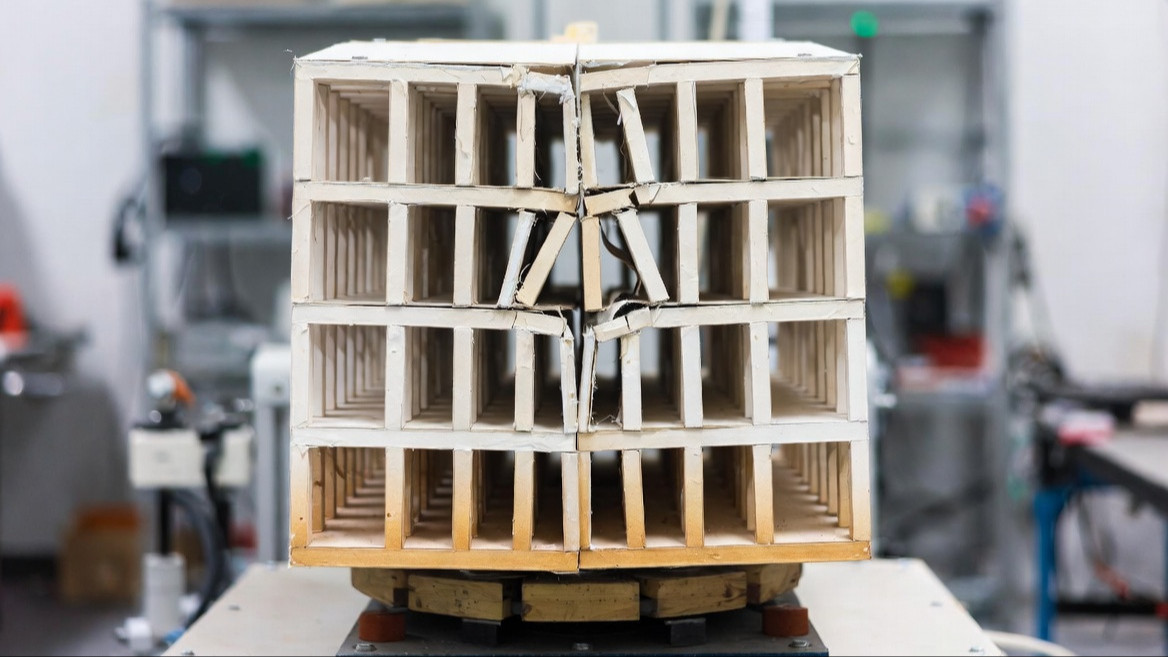
The multi-hazard perspective expands this challenge by considering how different hazards interact. For example, a building weakened by seismic activity may be more vulnerable to subsequent wind or flood loads. Similarly, heavy rainfall following a wildfire can lead to landslides due to the loss of vegetation that stabilizes soil. These cascading effects highlight the importance of resilience-based design, where structures are not only built to withstand individual hazards but also to maintain functionality under sequential or concurrent events. Engineers and planners are increasingly using probabilistic risk assessment and simulation tools to model these complex interactions.
Incorporating multi-hazard and climatic loading into infrastructure design requires collaboration across disciplines, including structural engineering, meteorology, geotechnics, and urban planning. It also calls for updated building codes, better data collection, and adaptive design strategies that can evolve over time. Concepts such as redundancy, robustness, and flexibility are becoming central to modern engineering practices. For example, designing drainage systems that can handle both current and projected rainfall extremes, or using materials that perform well under a wide range of temperatures, can significantly enhance resilience.
Ultimately, addressing multi-hazard and climatic loading is about preparing for uncertainty. As climate patterns continue to shift and urban areas expand, the stakes for infrastructure failure grow higher. By embracing integrated risk assessment and forward-looking design principles, societies can better protect lives, reduce economic losses, and ensure the long-term sustainability of the built environment.