Clear filters
Advanced Filters
Log in to save favourites
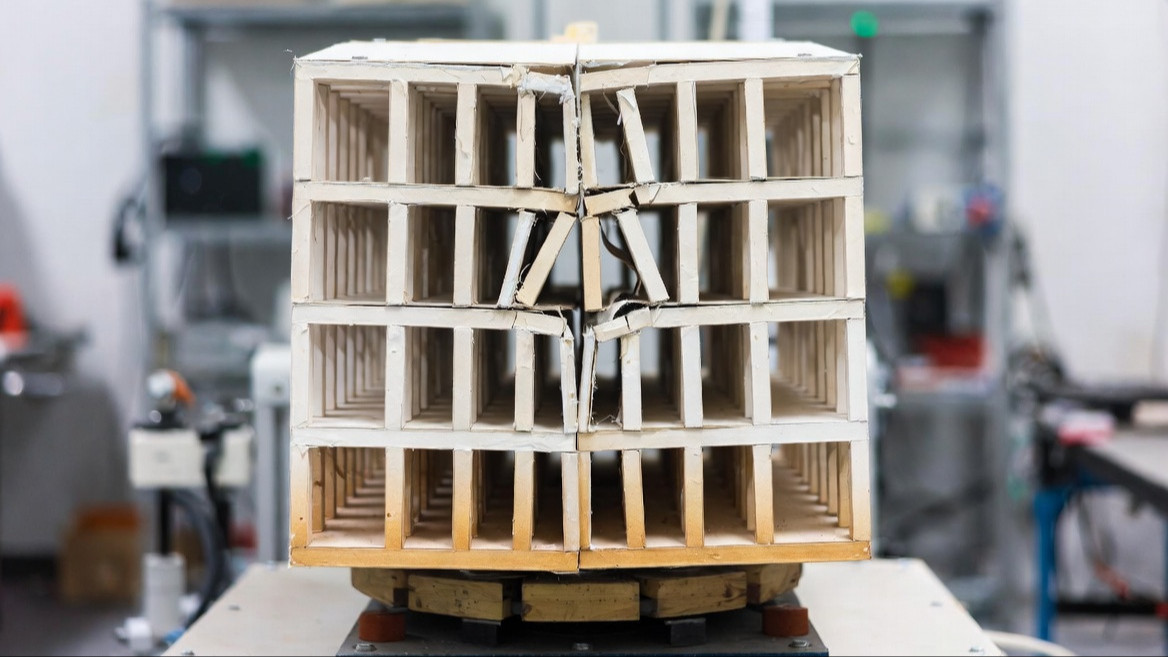
Seismic loading represents one of the most complex challenges in structural engineering, driven by the sudden and often unpredictable movement of the Earth’s crust.
View article
PDF
Log in to save favourites
Seismic loading refers to the forces exerted on structures as a result of ground motion during an earthquake.
View article
PDF
Log in to save favourites
Earthquake engineering and ground motion analysis are central to understanding how structures behave under seismic forces and how to design them to withstand such events.
View article
PDF
Blast and Explosion Loading
Fire Loading
Geohazard-induced Loading
Hydrodynamic Loading
Impact Loading
Multi-Hazard and Climatic Loading
Seismic Loading
Wind Loading
Volume 1 (2026)
Aerodynamic instability of structures
Aircraft impact and falling objects
Earthquake engineering and ground motion analysis
Extreme snow, thermal shock, and other induced loading scenarios
Extreme wind events, hurricanes, tornadoes, microbursts
Fire protection strategies
Flood, tsunami, and wave action on structures
Geohazard-induced landslides, rockfalls, debris flows, slope instability, ground failure.
Ice loads and storm surge effects
Industrial and military explosions
Near and far-field blast effects
Post-earthquake structural assessment and rehabilitation
Post-fire residual capacity and thermal analysis
Progressive collapse and anti-terrorist protective design
Seismic isolation and damping systems
Simultaneous or sequential occurrence of two or more extreme loading types
Structural behavior under fire conditions
Vehicle impact (automobiles, trucks, trains)
Vessel collisions with bridges and offshore structures
climate
extreme
multi-hazard